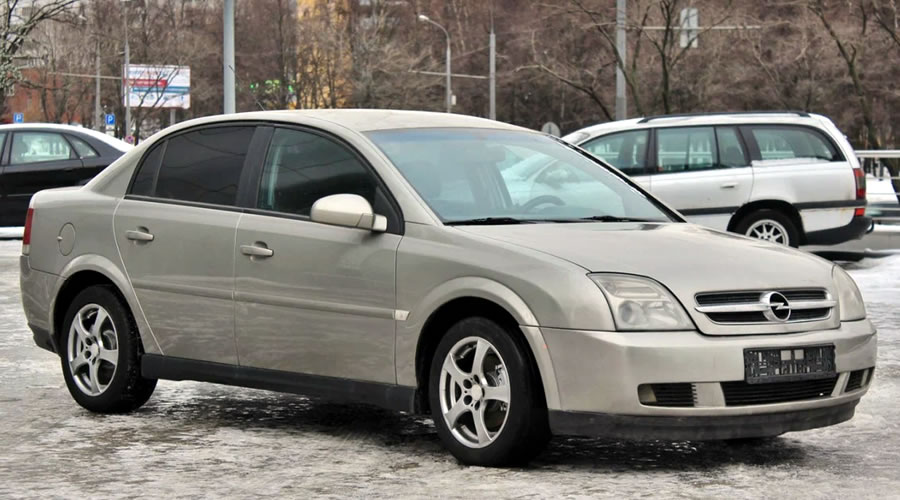
| Opel Vectra C Secrets Every Owner Should Know: Specs, History, Repairs, and Rival Comparison |
| Thursday, 18 June 2026 20:45 | |||
|
Discover everything about Opel Vectra C: technical specifications, model history, common repairs, maintenance tips, and how it compares with key rivals in one complete guide. Have you ever wondered why thousands of drivers still choose a car introduced more than two decades ago? The answer is surprisingly simple: reliability, practicality, and affordable ownership continue to make the Opel Vectra C an attractive option for daily driving. Even today, well-maintained examples can comfortably compete with many newer vehicles in terms of comfort and running costs. Whether you're considering buying one, already own one, or simply enjoy learning about dependable European sedans, understanding this model can save you both time and money. In this guide, you'll discover the history of the Opel Vectra C, explore its technical specifications, compare it with its main competitors, and learn practical repair and maintenance advice that every owner should know. The Story Behind the Opel Vectra CThe Opel Vectra C debuted in 2002 as the successor to the Vectra B, bringing a completely redesigned platform and a much more modern driving experience. Built on the GM Epsilon platform, it represented a significant leap forward in safety, chassis rigidity, and interior comfort. Available as a sedan, hatchback (GTS), and station wagon (Caravan), the model appealed to both families and business users. One of the biggest improvements was its increased body size, offering noticeably more cabin space and improved luggage capacity. Engineers also focused on better crash protection, introducing advanced safety systems that helped the vehicle earn an excellent reputation during its production years. The model received a major facelift in 2005, featuring refreshed styling, upgraded interior materials, and improved engines. This update also solved several early production issues, making later versions especially desirable on the used-car market. If you're searching for a practical and comfortable midsize vehicle, the Opel Vectra C remains an impressive example of balanced engineering. Technical Specifications That Still ImpressEngine Options The Opel Vectra C was offered with a remarkably wide range of powertrains. Buyers could choose economical four-cylinder gasoline engines, smooth V6 petrol units, or durable turbo diesel engines. Popular choices include:
The 1.9 CDTI became especially popular because it combines excellent fuel economy with strong torque, making long-distance driving effortless. Transmission and Suspension Depending on configuration, buyers could choose between:
The suspension strikes a pleasant balance between comfort and handling. Although some suspension components wear with age, replacement parts remain affordable and widely available. Common Repairs and DIY Maintenance TipsLike every aging vehicle, the Opel Vectra C has several well-known maintenance points. Fortunately, many repairs are straightforward for owners with basic mechanical knowledge. Typical issues include:
Fortunately, routine servicing significantly extends the vehicle's lifespan. Regular oil changes, timely timing belt replacement where applicable, and cooling system inspections prevent many expensive failures before they occur. If you enjoy working on your own vehicle, you'll appreciate how accessible many engine components are. Brake servicing, air filter replacement, spark plugs, and even suspension work can often be completed using common workshop tools. While preparing this guide, special thanks go to www.opelbook.ru for providing useful reference materials that helped verify technical information. How Does Opel Vectra C Compare with Its Competitors?During its production years, the Opel Vectra C competed against several respected European family cars. Despite strong competition, it developed a loyal following thanks to its balanced ownership costs. Compared with the Ford Mondeo, the Vectra generally offers a quieter cabin and lower parts prices. Against the Volkswagen Passat B6, Opel maintenance is often less expensive, although the Passat may provide a slightly more premium interior. When compared with the Mazda6 of the same era, the Vectra usually delivers better highway comfort but slightly less sporty handling. Its strongest advantages include:
Potential buyers should simply verify service history and inspect diesel-specific components before purchasing. A well-maintained example often proves considerably more reliable than neglected alternatives from competing brands. Is the Opel Vectra C Still Worth Buying Today?For many drivers, the answer remains yes. The Opel Vectra C offers a rare combination of comfort, practical interior space, dependable mechanical components, and reasonable maintenance costs. While no used vehicle is completely free from age-related wear, careful inspection and preventive servicing dramatically reduce ownership risks. Three key takeaways stand out. First, later facelift models generally offer improved reliability and refinement. Second, diesel and gasoline engines each have strengths, so your driving habits should determine the best choice. Finally, regular maintenance matters far more than mileage alone when evaluating a used Vectra. If you're looking for a practical midsize European car that still performs confidently in everyday driving, the Opel Vectra C deserves serious consideration. Study its maintenance history, inspect it carefully before buying, and you'll likely enjoy many more years of dependable motoring.
|